
 Save
Save
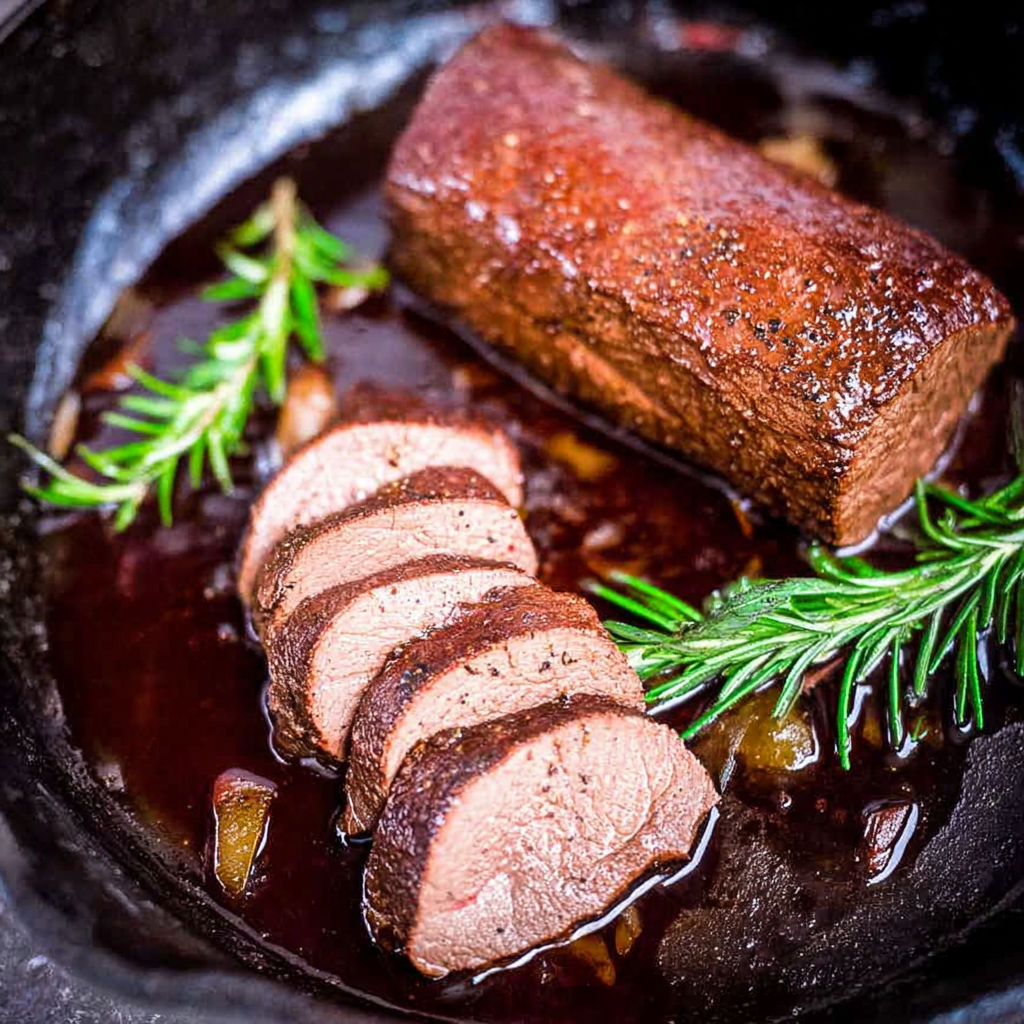
Pan-seared venison backstrap quickly turns a wild-caught cut into a special weeknight dinner or a guest-worthy feast. The hot cast iron guarantees a crisp browned crust while the garlic herb butter brings richness that flatters venison’s unique flavor.
I love serving this when friends come to visit. The aroma from the skillet always draws everyone into the kitchen curious to see what is sizzling.
Ingredients
- Venison backstrap: choose a piece with even thickness for even cooking and minimal silver skin for tenderness
- Olive oil: look for a robust extra virgin type to help the sear and bring out flavor
- Smoked paprika: a touch adds depth and a gentle smokiness
- Salt: helps bring out the meat’s natural taste use a flaky kosher or sea salt for the best texture
- Black pepper: fresh-cracked for bold flavor
- Garlic: adds sweet pungency mince it for even distribution
- Unsalted butter: lets you control the salt level while basting the meat
- Fresh rosemary: chop finely for herbaceous aroma
- Thyme leaves: use fresh if possible for brightness and subtle earthiness
Instructions
- Pat the Meat Dry:
- Use a stack of paper towels to thoroughly pat the venison backstrap until no surface moisture remains. Dry meat is essential for a golden sear.
- Season the Backstrap:
- Mix together smoked paprika salt and black pepper in a small bowl. Brush the venison all over with half the olive oil then press the seasoning mix onto each side to form a crust.
- Preheat the Oven:
- Set your oven to 400 degrees Fahrenheit. This will let the backstrap finish cooking gently after searing.
- Sear in Cast Iron:
- Heat a heavy cast iron skillet over medium-high with the rest of the olive oil. Lay the backstrap in once the oil is shimmering. Sear all sides letting each side cook for about three minutes. The meat should develop an even rich brown crust.
- Baste with Herb Butter:
- Lower the heat and add the butter chopped rosemary and thyme to the pan. As the butter melts tip the skillet and use a spoon to scoop and pour the melted butter and herbs over the meat turning to coat both sides with the herbed butter.
- Roast to Desired Doneness:
- Transfer the skillet to the oven. Keep an instant read thermometer handy. After ten minutes begin checking the thickest part. For medium rare pull at 130 to 135 degrees for medium up to 140 degrees. Let the roast come to your preferred temperature.
- Rest and Slice:
- Remove the skillet from the oven and place the backstrap on a cutting board. Let it rest for about ten minutes to keep juices inside then slice it thinly across the grain. Drizzle with the garlic rosemary butter from the pan and serve straight away.
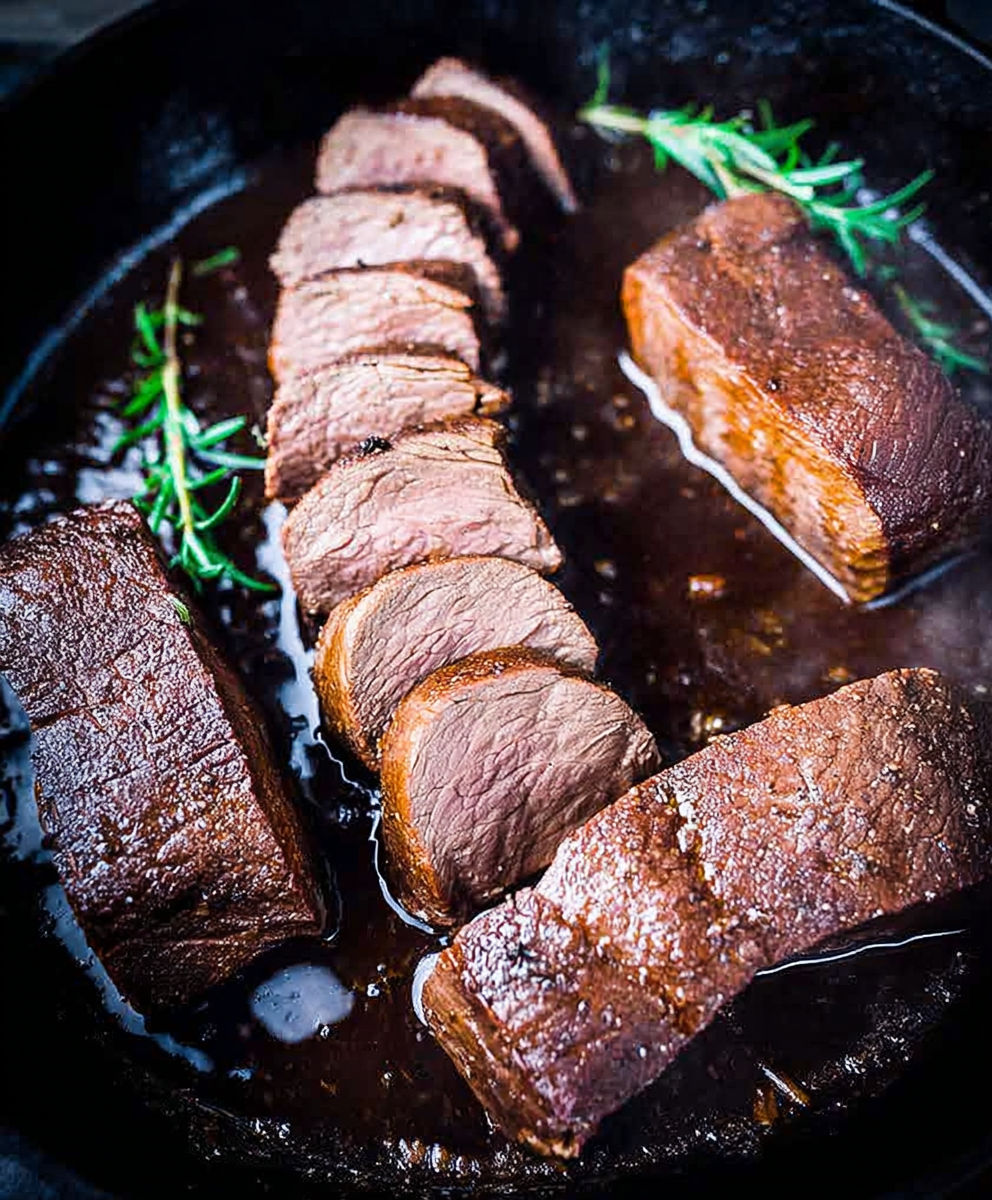
One of my favorite moments was making this over a campfire after a successful hunt. That first slice carved outdoors tasted as rich as any steakhouse meal. Fresh rosemary from my own garden gives this simple dish a special lift.
Storage Tips
Store leftover venison in a tightly sealed container in the fridge for up to three days. Reheat gently so it stays tender and juicier than most cuts. If you want to rewarm slices add a little reserved herb butter to a pan on low and warm until just heated through.
Ingredient Substitutions
If you are out of smoked paprika use sweet paprika plus a pinch of ground cumin. No venison Swap in beef tenderloin or pork tenderloin. Dried rosemary works if fresh is unavailable just use half the amount and crush between your fingers for best release.
Serving Suggestions
Pan-seared venison loves earthy sides such as roasted root vegetables mashed potatoes or sautéed greens. I often add a simple salad to brighten the meal. For a special touch drizzle a little balsamic reduction over the slices or scatter some crumbled blue cheese on top.
Cultural and Historical Context
Venison has deep roots in North American cuisine from indigenous hunters to classic French country recipes. Cooking with cast iron preserves a bit of that tradition letting you sear and roast in one time-tested pan.
Seasonal Adaptations
Use sage and brown butter in fall for warmth Top with a quick cherry or blueberry pan sauce in summer Try juniper berries for a wintery twist on the herb mix
Success Stories
I have made this for small family gatherings and the platter always comes back empty. Friends who are new to wild game are surprised by how tender and flavorful the meat is when cooked this way.
Freezer Meal Conversion
You can prep backstrap up to the seasoning and freeze tightly wrapped for one month. Thaw in the fridge then cook as usual. Cooked leftovers can also be sliced and frozen for sandwiches or salads.
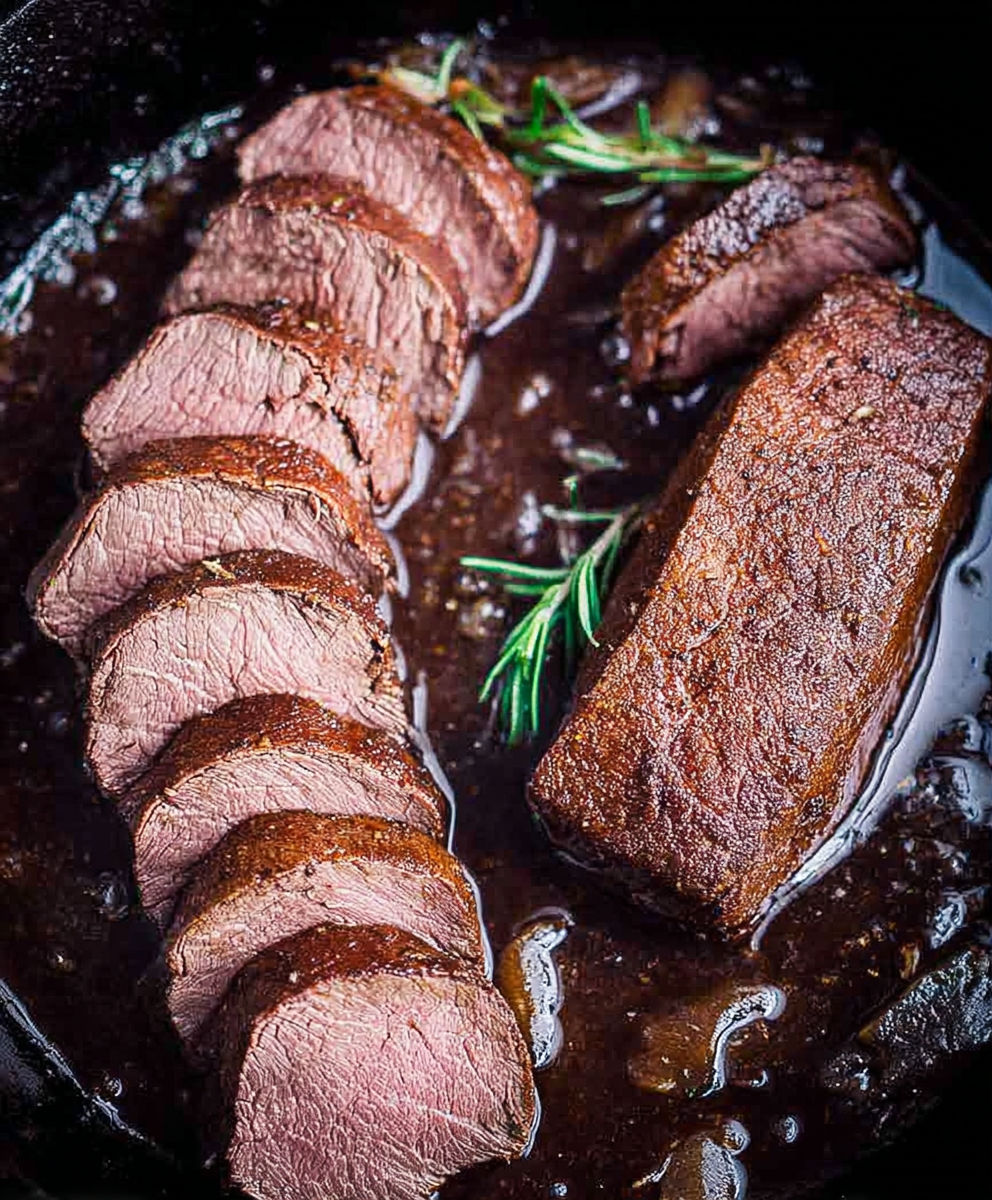
Let your senses guide you as you cook and carve this venison dish. Each slice deserves to be savored!
Recipe FAQs
- → How should I prepare venison backstrap before cooking?
Pat the venison dry with paper towels before you season it. This helps to ensure a good sear and even browning during cooking.
- → What is the best way to achieve a flavorful crust on the backstrap?
Coat the venison with olive oil and a blend of smoked paprika, salt, and black pepper. Searing in a preheated cast iron skillet creates a delicious crust.
- → How do I know when the venison is perfectly cooked?
Use a meat thermometer to check internal temperature: 130-135°F for medium-rare, 135-140°F for medium, or 145°F for medium well.
- → Why should I let the venison backstrap rest after cooking?
Resting for about 10 minutes allows the juices to redistribute, keeping the meat moist and tender when sliced.
- → What sides complement this dish?
Roasted root vegetables, creamy mashed potatoes, or a crisp green salad pair wonderfully with seared venison.
- → Can the garlic-herb butter be prepared in advance?
Yes, you can mix the butter, garlic, rosemary, and thyme ahead of time and keep it chilled until ready to use.