
 Save
Save
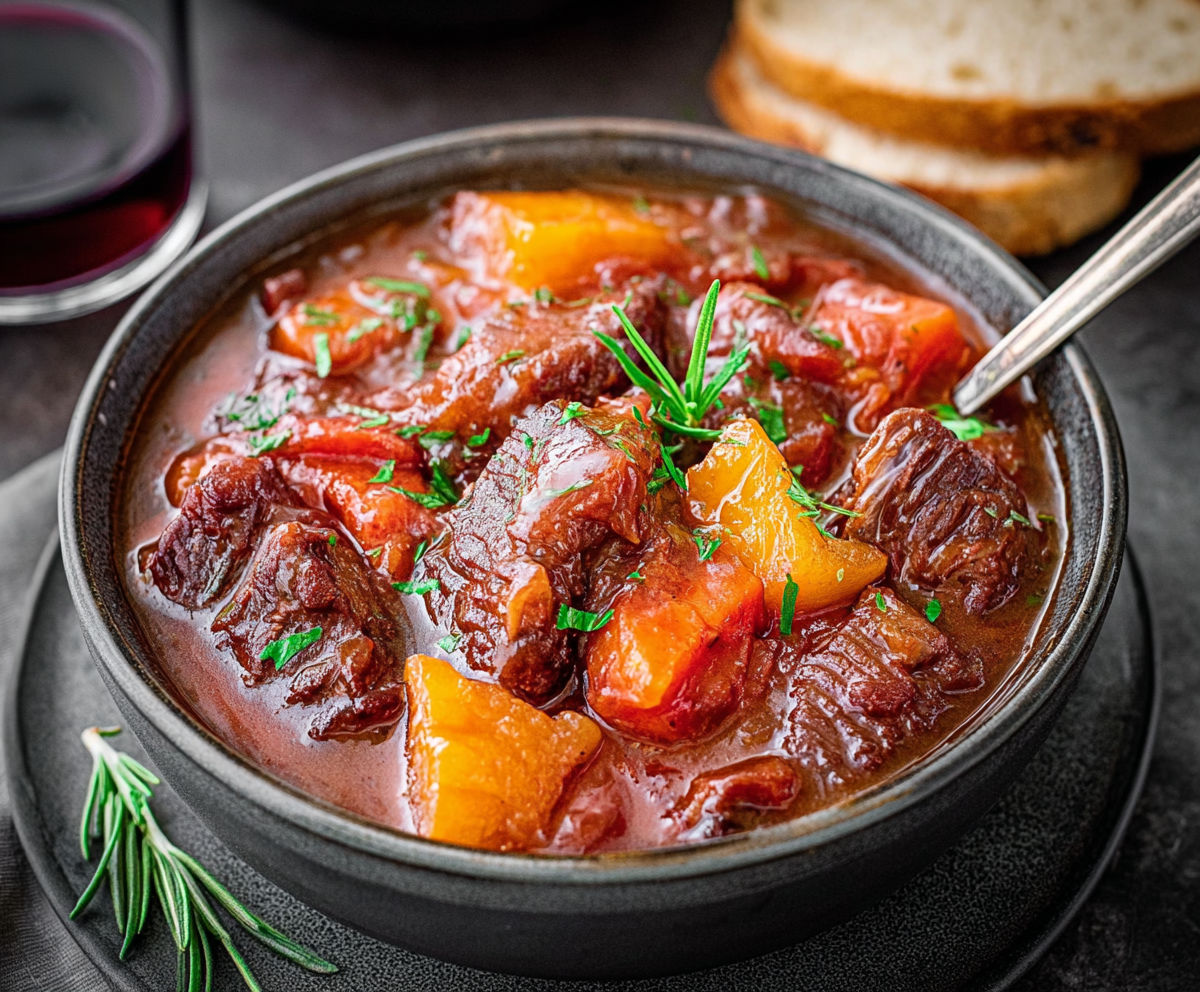
When cold weather rolls in and comfort food calls, this slow cooker venison stew always delivers. Generous chunks of wild game become fall-apart tender and rich in flavor, slow simmered all day with root vegetables and deep red wine. The ingredients are rustic but the results feel gourmet and nourishing. Whether you are a seasoned game cook or just lucked into some meat from a friend, this is my absolute foolproof method for a cozy family meal.
The first time I made this recipe was after a brisk autumn morning spent hunting with my uncle. Now when I walk in the door and smell this stew bubbling away it takes me right back to those woods and brings everyone to the kitchen.
Ingredients
- Venison stew meat or other red meat: For deep flavor and lean protein. Look for cuts with a little marbling if possible and always pat dry before browning
- All purpose flour: For thickening the stew and helping the meat brown nicely. Choose fresh flour without any off odors
- Salt and pepper: For highlighting all the robust flavors. I use kosher salt and freshly cracked pepper whenever possible
- High heat oil or animal fat: For developing a flavorful sear. Avocado oil or rendered duck fat are my favorites
- Baby gold potatoes: For creamy texture that holds up to a long simmer. Choose potatoes without green spots or eyes
- Large carrots: For color and subtle sweetness. Peel and slice thick so they do not go mushy
- Celery stalks: For an herbaceous undertone. Firm stalks mean freshness
- Onion: For savory depth. Yellow onions work beautifully
- Garlic cloves: For savory bites throughout. Use fresh plump cloves
- Herbs de Provence: For an aromatic twist. Seek out a blend with plenty of lavender and thyme
- Diced tomatoes: For brightness and extra moisture. I drain some liquid to keep the stew thick
- Beef or venison stock: For robust base flavor. Homemade has the deepest taste but boxed is fine
- Dry red wine: To deglaze and add luscious undertones. Any wine you would drink is good here
- Worcestershire sauce: For complexity and a bit of umami
- Corn starch arrowroot powder or tapioca starch: As an option for thicker stew
Instructions
- Prepare the Meat:
- Pat the venison very dry with a towel. Mix the flour with half the salt and pepper in a medium bowl and toss the meat until all pieces look coated and the flour is absorbed. This gives the stew its lush body and lets the meat get a crisp edge.
- Sear for Flavor:
- Heat a skillet over medium-high heat and swirl in your oil or fat. Brown the meat on all sides in batches if needed so each piece develops color without steaming. This process can feel a bit like a juggling act but is the secret to deep taste.
- Layer in the Slow Cooker:
- Spread the seared meat in the cooker and scatter the potatoes over top. Add carrots celery onion garlic and sprinkle in the Herbs de Provence plus the remaining salt and pepper. Pour in the tomatoes stock wine and Worcestershire sauce.
- Start Slow Cooking:
- Set the slow cooker on low and let it work for eight or nine hours. The long slow simmer breaks down the meat fibers making every bite tender.
- Thicken the Stew:
- After about six hours take a small amount of broth and whisk in your chosen starch until smooth. Stir this back into the stew and put the lid askew for the final two hours. This step is optional but makes a heartier result.
- Get Ready to Serve:
- When the stew has finished bubbling serve with rustic crusty bread and a big spoon. The aroma alone brings everyone to the kitchen before you even call them.
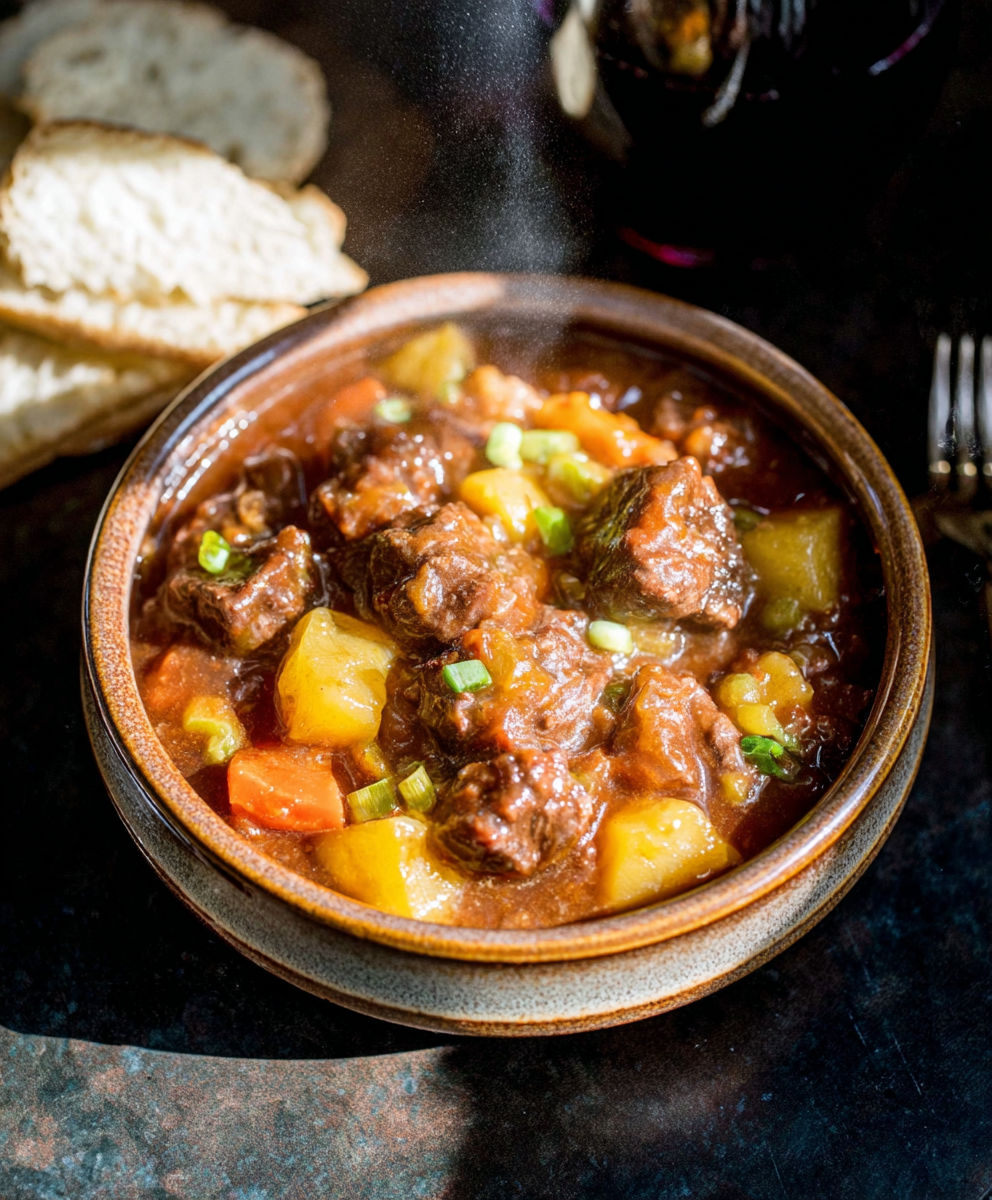
Herbs de Provence really makes this recipe shine and I have grown to stock it just for these slow simmers. I will never forget making this stew for a snowy family reunion and my mom declaring it reminded her of her childhood dinners.
Storage Tips
Let the stew cool completely before transferring to airtight containers. This dish will keep five days in the fridge and tastes even better after the flavors meld overnight. If freezing portion into smaller containers so you can thaw just what you need for later meals.
Ingredient Substitutions
If venison is not available beef or even lamb work just as well. Try rutabaga or parsnips for a different vegetable mix. For those avoiding wine simply swap for stock with a splash of red wine vinegar to keep that brightness.
Serving Suggestions
Spoon into big bowls and tear up a loaf of crusty bread for dunking. A simple green salad or wilted spinach with a sharp vinaigrette balances all the hearty flavors.
Cultural or Historical Context
Wild game stews like this have deep roots in rural cooking across northern climates. Time and patience pull the best from modest ingredients which is why I love honoring that with each slow batch in my own home. Sharing this meal is my way of celebrating the changing seasons and a freezer full of gifts from the woods.
Seasonal Adaptations
Swap potatoes for sweet potatoes in late autumn Stir in kale or spinach in the last hour for extra greens Add a bay leaf if you want deeper herbal notes
Success Stories
Friends have made this for big gatherings during hunting season and everyone swears by the leftovers. Once my cousin brought moose back from a trip and shared the stew with the whole extended family. Not a single bowl left behind.
Freezer Meal Conversion
Double the batch and let it cool after cooking. Move to zip top bags or containers labeled with the date. Lay flat so they take up less freezer space. To reheat just thaw overnight in the fridge pour into a pot and warm gently on the stove or in the crockpot.
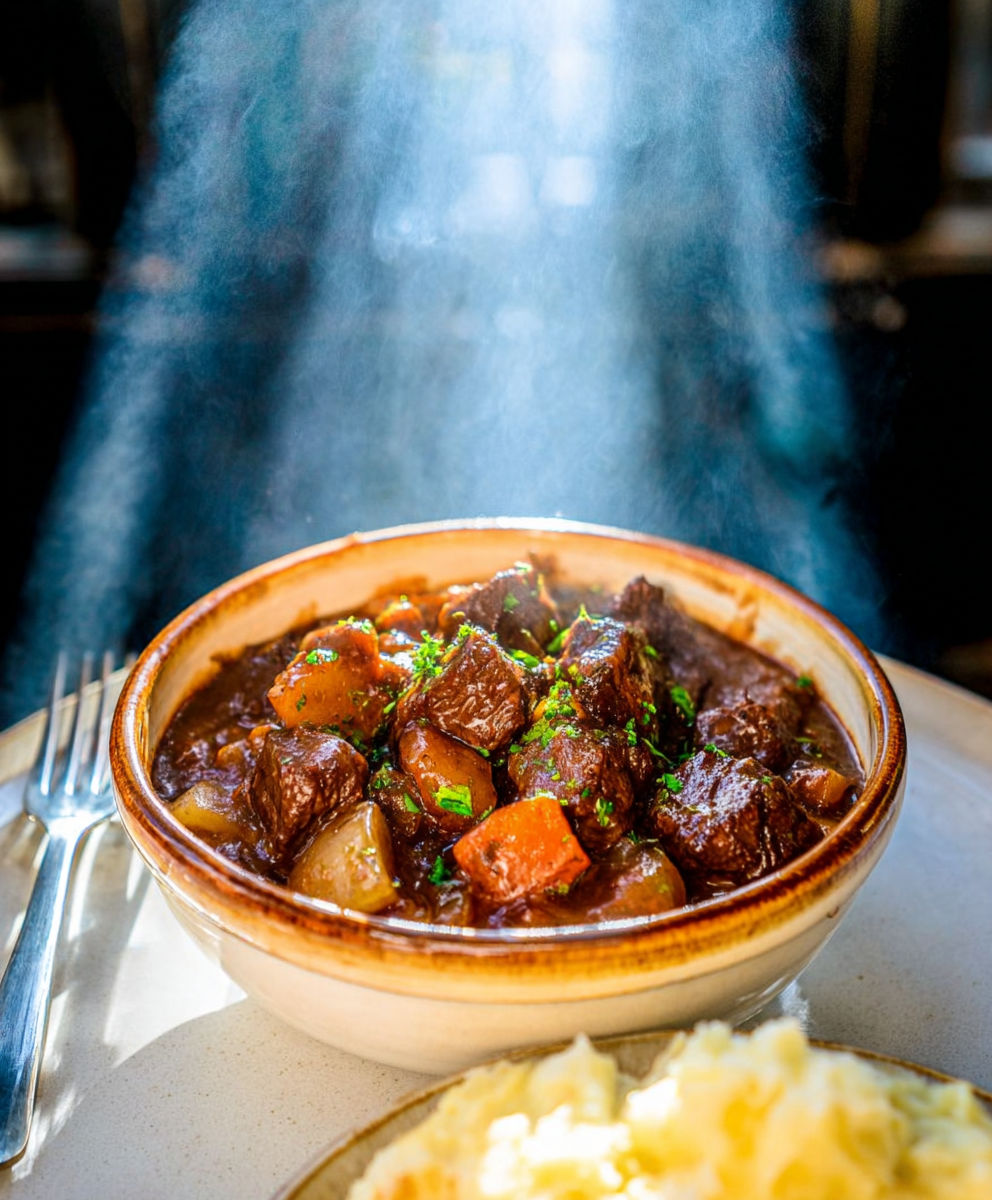
This stew rewards patience and passes down memories. Warming and hearty, it belongs in every winter rotation.
Recipe FAQs
- → What type of meat can I substitute for venison?
You can use elk, moose, antelope, beef, or even bear—the stew works well with most red meats.
- → Is it necessary to sear the meat first?
Searing enhances the meat’s flavor and texture but can be skipped for convenience. Browning develops richer flavors.
- → What can I use if I don't have red wine?
Replace red wine with beef or venison stock, or use 1 tablespoon of red wine vinegar for added depth.
- → How can I thicken the stew?
Towards the end of cooking, stir in a starch slurry using corn, arrowroot, or tapioca starch to reach your desired consistency.
- → Can I cook this on high heat?
Yes, but a longer cook on low will yield more tender meat and allow flavors to fully develop.
- → What herbs are important for the flavor?
Herbs de Provence bring floral and aromatic notes, but you can mix thyme, rosemary, and sage if needed.