
 Save
Save
This orange cake loaf is fragrant with citrus and melts into a soft tender crumb with each bite. It is my answer to hectic weeks when I need something simple yet so uplifting that it energizes my mornings. Fresh oranges liven up the mix and leave the kitchen smelling like sunshine.
This loaf got its start as a rainy day experiment with sad-looking oranges in my fruit bowl. Now it is my go-to for bake sales and lazy afternoon tea breaks.
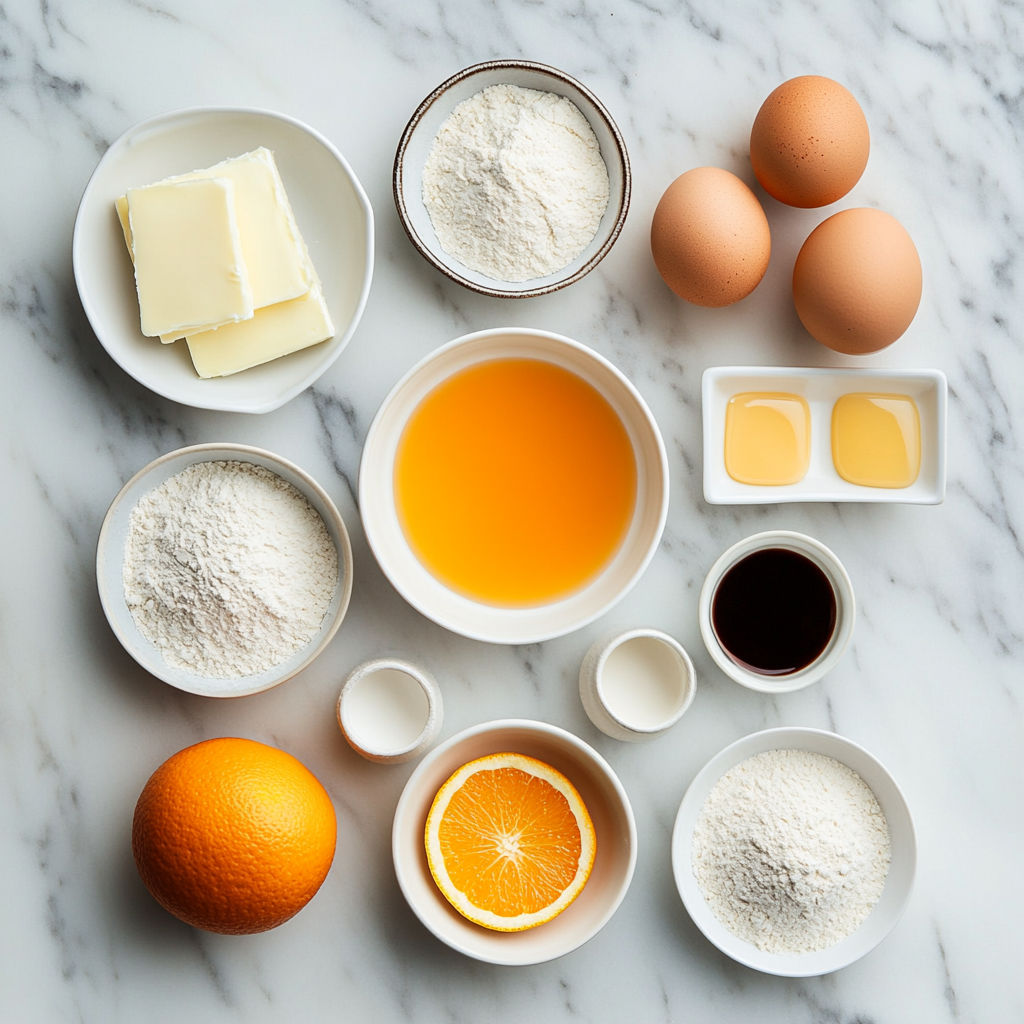
Ingredients
- All-purpose flour: gives the loaf its structure and softness choose a brand you trust for fluffy results
- Baking powder: ensures an even rise and a nice dome sift if lumpy
- Orange zest: unlocks intense flavor always use unwaxed oranges and scrub interiors
- Granulated sugar: balances the sharp citrus and keeps the loaf moist choose fine sugar for best dissolve
- Large eggs: bind everything and add richness use room-temperature eggs for a smooth batter
- Melted butter: brings a rich base and their flavor use good quality real butter not margarine
- Fresh orange juice: deepens the citrus notes always strain to remove pulp and seeds taste to gauge sweetness
Instructions
- Prepare the Pan:
- Grease your loaf pan thoroughly along the bottom and up the sides then line with parchment so the cake lifts easily later with a two inch overhang
- Mix the Dry Ingredients:
- Add flour and baking powder into your largest mixing bowl then whisk until evenly distributed for a light airy loaf
- Infuse the Sugar:
- Combine granulated sugar with fresh orange zest in a smaller bowl rub or stir until the sugar looks slightly damp and deeply orange—this step extracts the flavorful oils
- Make the Wet Mixture:
- Add eggs to the orange sugar and whisk just until blended then pour in melted butter and fresh orange juice whisking again until everything is uniform and silky
- Combine and Fold:
- Pour the wet mixture into the flour bowl swap your whisk for a spatula and stir gently until just combined with the last traces of flour barely visible—overmixing toughens the loaf
- Bake:
- Transfer batter to the prepared loaf pan smooth the top and bake in a heated oven for thirty-five to thirty-eight minutes until golden and a toothpick poked in the center emerges clean
- Cool:
- Let the finished loaf rest in the pan for twenty minutes before lifting out with the parchment then cool on a rack for at least another twenty-five minutes so the crumb sets and slicing is neat

Orange zest transforms the loaf into something truly fragrant and special. My kids love picking out the brightest oranges at the store and grating the zest together so now it is a weekly ritual that makes for sticky little hands and big smiles.
Storage Tips
Let your loaf cool completely before sealing it up or wrapping. Store it in an airtight container on the counter to preserve the tenderness for up to three days. For best long term storage tuck it into the fridge for a week or freeze individual slices for a quick treat that needs just a short defrost on the counter. Pro tip slice before freezing so you can enjoy it one piece at a time.
Ingredient Substitutions
You can swap melted butter with an equal amount of neutral oil though the flavor will be a bit different and a notch lighter. For a dairy free loaf use coconut oil and sprinkle in some extra orange zest for zestier impact. If you have only clementines or mandarins they will work too just make sure the total juice volume matches.
Serving Suggestions
Perfect as is but you can dress up slices with a dusting of powdered sugar or a quick orange glaze made from juice and confectioners sugar. It loves a dollop of whipped cream and pairs beautifully with tart fruit like fresh raspberries. One of my favorite ways to serve is lightly toasted with a pat of salted butter for breakfast.
Cultural Context
Citrus cakes are cherished across many cultures especially as springtime or New Year treats symbolizing abundance and luck. This particular loaf draws from classic European citrus cakes but keeps the process totally simple for busy home bakers.
Seasonal Adaptations
Swap in blood orange for a dramatic color and slightly different tang In winter try a mix of orange and lemon for a sharp twist When summer arrives add a spoonful of finely chopped mint to the batter for something cooling
Success Stories
Readers often tell me they used this loaf as their first-ever made from scratch cake and now it is a recurring request at brunch tables. One friend sliced it thinly and layered it with mascarpone for a party and it was the first dish gone.
Freezer Meal Conversion
Leftovers freeze like a dream. Just wrap individual slices tightly in plastic wrap then in foil and keep in a zippered bag. They defrost in minutes at room temp or a quick zap in the microwave for a fast breakfast on the run.
Baking this loaf brings happy energy to my day every time. I hope a slice will do the same for you soon!
Recipe FAQs
- → How do I achieve a strong orange flavor?
Use both fresh orange zest and juice. Taste your oranges and adjust sweetness or brightness as needed, and add a homemade orange glaze if you want bolder flavor.
- → How should I store the loaf?
Once cooled, keep the loaf in an airtight container. It stays moist for three days at room temperature, or up to a week refrigerated.
- → Can I freeze the loaf?
Yes, wrap the completely cooled loaf in plastic film and foil, then freeze for up to three months. Thaw at room temperature before slicing.
- → Can I make the batter ahead of time?
It's best to bake the batter right after preparing to ensure a good rise, as the leavening works immediately once wet and dry ingredients are combined.
- → What pan size is recommended?
An 8 1/2 x 4 1/2–inch loaf pan gives the best texture and rise. Line with parchment for easy removal.
- → Can sweetness be adjusted?
Absolutely. If your oranges are less sweet, increase the sugar to taste, up to 3/4 cup if desired.