
 Save
Save
This creamy winter vegetable casserole always brings comfort to cold evenings and fills my kitchen with inviting aromas. I created it to make the most of root vegetables and leafy sprouts that are abundant during the colder months. The blend of a silky cream sauce, nutty cheese, and crispy topping feels equally special at a holiday gathering or just for a cozy weeknight.
I first tried this during a snowed-in weekend using what I had on hand. Now it is a regular part of our winter meal rotation whenever we crave homey comfort food.
Ingredients
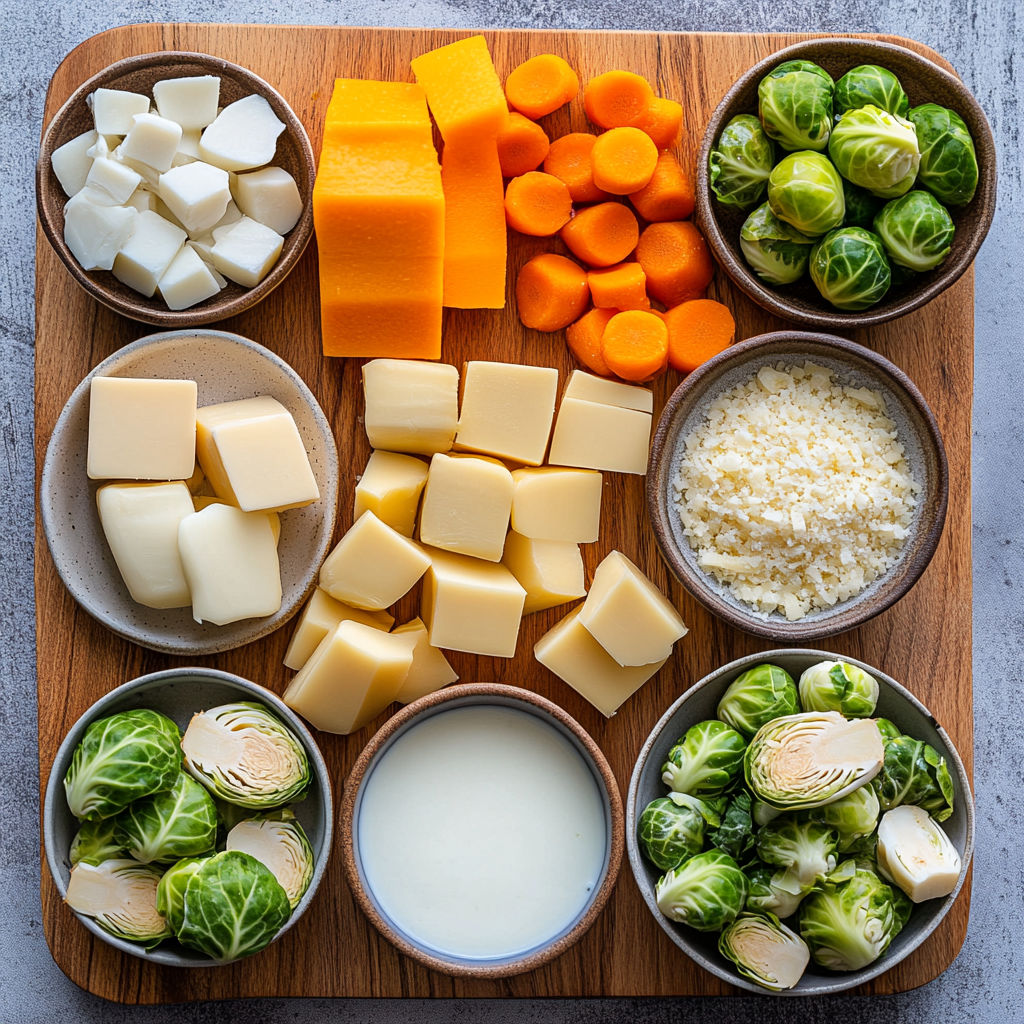
- Carrots: chopped bring natural sweetness and vivid color
- Parsnips: chopped add earthy depth and stay tender after baking
- Butternut squash: chopped gives rich texture and a hint of caramel flavor
- Brussels sprouts: halved lend crunch and mild bitterness to balance the creaminess
- Unsalted butter: forms the base for a glossy smooth sauce
- All-purpose flour or gluten-free flour: helps thicken the sauce to just the right consistency
- Milk or cream: choose full-fat for ultimate richness or a plant-based alternative to make it dairy-free
- Garlic: minced boosts savory flavor throughout the dish
- Fresh thyme leaves: give a subtle herbal lift look for plump green sprigs
- Salt and black pepper: always use freshly cracked for best flavor
- Sharp cheddar or Gruyère cheese: shredded melts beautifully and provides a nutty sharp layer
- Breadcrumbs: choose high-quality bakery or gluten-free bread for the crispiest finish
Instructions
- Prep the Vegetables:
- Wash all vegetables thoroughly and chop carrots, parsnips, and butternut squash into even pieces about half an inch wide. Cut Brussels sprouts in half through the core so they hold together during baking. For denser roots like carrots and parsnips, bring a pot of salted water to a boil and parboil them for three to five minutes so they begin to soften but do not fully cook.
- Make the Cream Sauce:
- Set a medium saucepan over medium heat and add butter. Let it melt completely then whisk in flour to create a smooth roux. Stir briskly for one to two minutes keeping it pale to avoid any browning. Slowly pour in milk or cream a little at a time, whisking constantly. Continue cooking until the sauce thickens and coats the back of a spoon. Stir in minced garlic, fresh thyme, a generous pinch of salt, and several turns of black pepper.
- Combine Vegetables and Sauce:
- Place all prepared vegetables into a large mixing bowl. Pour the hot cream sauce over them and gently fold with a spatula making sure every piece is cloaked in the liquid. This step helps the sauce seep into the vegetables for maximum flavor.
- Assemble and Top:
- Grease a large casserole or baking dish thoroughly to prevent sticking. Spoon the sauced vegetables into the dish spreading them evenly. Sprinkle shredded cheese in an even layer over the surface. Finish with breadcrumbs distributed evenly for a crackly golden crust.
- Bake to Perfection:
- Place the dish in an oven preheated to three hundred seventy five degrees Fahrenheit, one hundred ninety degrees Celsius. Bake for thirty to forty minutes. Keep an eye out for bubbling edges and a deeply golden breadcrumb topping. If desired, switch to broil during the final two or three minutes to amplify the crunch but watch closely to prevent burning.
- Let Rest and Serve:
- Remove from the oven and let the casserole rest uncovered for five to ten minutes. This resting time allows the sauce to thicken and the flavors to meld for neat slices and rich taste in every bite.
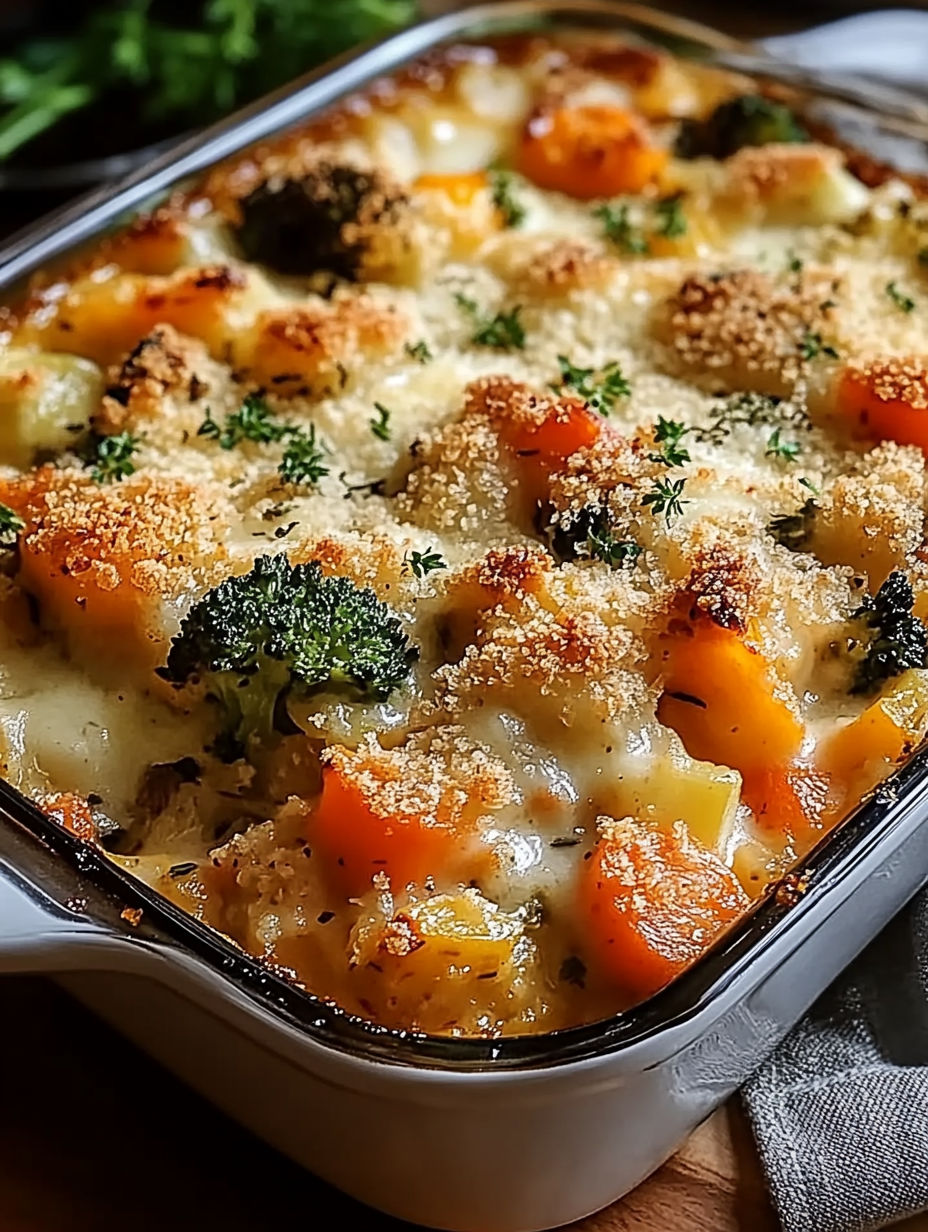
One Christmas we served this casserole alongside roast chicken and it was the first dish to disappear from the table. My mom still talks about that dinner all the time.
Storage Tips
Store leftover casserole covered in the fridge for up to three days. I find that the flavors deepen on the second day so it makes an excellent make-ahead side. Warm slices covered in the oven at low heat to keep the topping crisp.
Ingredient Substitutions
Feel free to swap in sweet potatoes or rutabaga in place of butternut squash. Use plant-based milk and butter to keep it dairy-free. For those avoiding gluten, finely crushed nuts or seeds can take the place of breadcrumbs for texture.
Serving Suggestions
This casserole is hearty enough for a main but also shines as a festive side. Pair it with roast poultry, braised beef, or serve with a crisp green salad for a lighter meal. Leftovers taste great as a cozy lunch with just a slice of crusty bread.
Cultural and Historical Context
Winter vegetable casseroles are a staple in many northern countries where root vegetables are abundant. In my family this dish started as a way to use up the root cellar after the first hard frost. Each region and household brings their own favorite blend of veggies and toppings.
Seasonal Adaptations
Use kohlrabi or turnip once parsnips are no longer in season. Try chopped kale or chard in place of some sprouts for more greens. Roast the vegetables separately before mixing for a deeper flavor.
Success Stories
A friend with a large family made this casserole for a potluck and said kids of all ages loved it even the picky eaters. Another reader turned it into individual ramekins for a dinner party which looked gorgeous on the table. I have even layered leftover turkey between the vegetables for a heartier post-holiday meal.
Freezer Meal Conversion
Assemble the casserole but skip the baking step. Cover tightly and freeze for up to two months. When ready to cook, bake from frozen at three hundred fifty degrees Fahrenheit, loosely covered with foil for an extra ten to fifteen minutes then finish uncovered for a crispy top.
This casserole will quickly earn a spot in your winter recipe rotation. Enjoy every bubbly, golden, comforting bite!
Recipe FAQs
- → Can I use other winter vegetables in this dish?
Absolutely. Feel free to include sweet potatoes, rutabagas, or turnips in addition to or instead of the suggested vegetables. Adjust parboiling as needed based on their density.
- → How can I make this casserole gluten-free?
Substitute all-purpose flour with gluten-free flour for the cream sauce and use gluten-free breadcrumbs for the topping. The texture and overall result will remain delicious.
- → What cheese works best for a creamy bake?
Sharp cheddar and Gruyère both melt smoothly and offer rich flavor. You can also try Swiss or a combination for extra depth.
- → Is it possible to prepare this dish ahead of time?
Yes, assemble the dish and refrigerate before baking. Add a few extra minutes to the baking time if starting from cold. For best crunch, add breadcrumbs just before baking.
- → Can I make this dairy-free?
Use plant-based milk or cream alternatives and dairy-free cheese for a similar creamy result. Substitute the butter in the roux with plant-based margarine as well.
- → How do I get an extra crispy topping?
Broil the casserole for 2-3 minutes at the end of baking, watching closely to avoid burning, for a deeply golden breadcrumb crust.